

Teeth Cleanings & Dental Exams
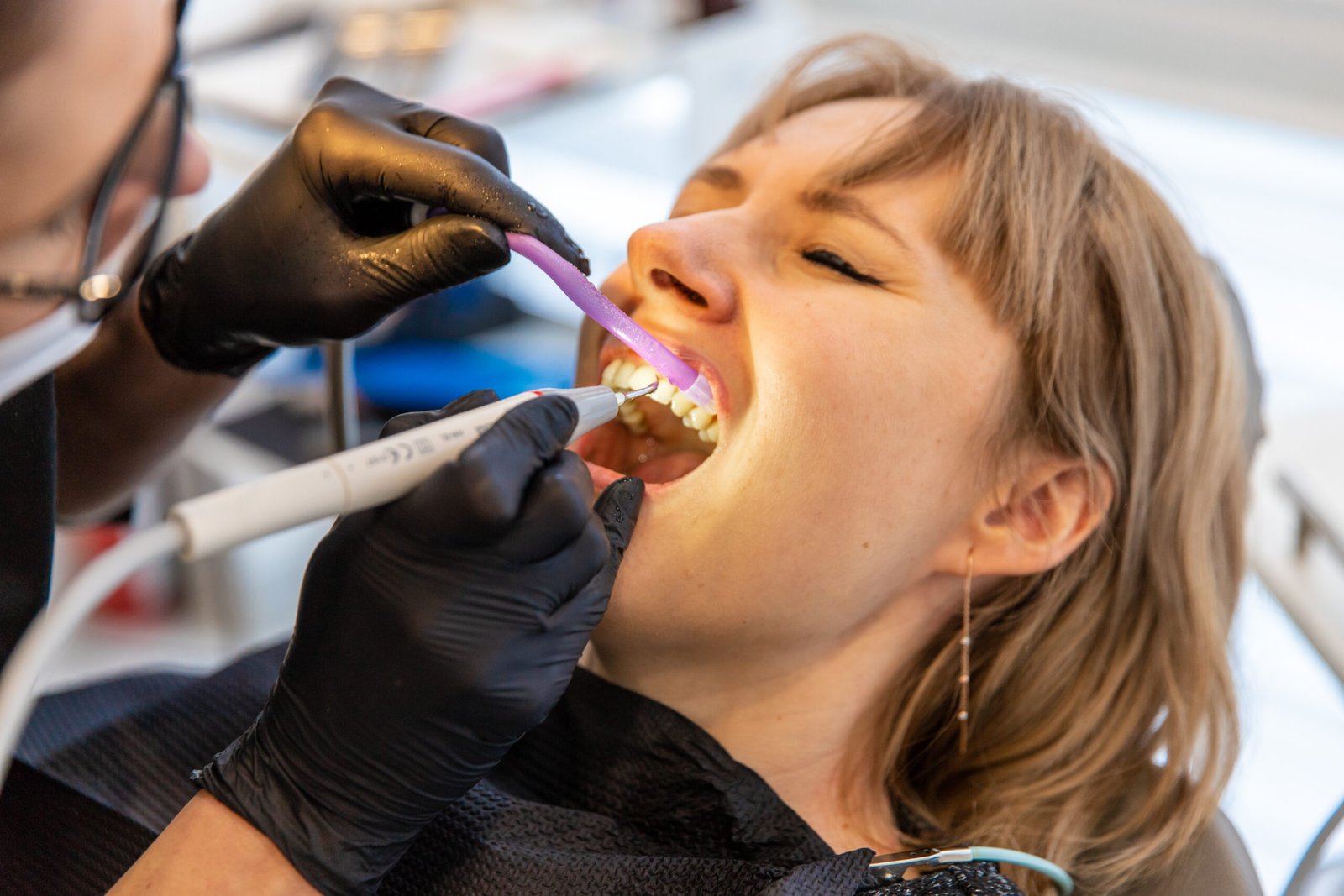
Why Professional Cleanings Matter
Even if you brush and floss well, some plaque hardens into tartar, especially behind the lower front teeth and along the gumline of the back teeth. Once it’s hard, a toothbrush can’t remove it. Left alone, tartar irritates the gums, which leads to bleeding, bad breath and eventually gum disease.
A cleaning removes that buildup. The exam that goes with it is how we catch cavities, cracks, worn fillings and gum problems while they’re still small. That’s the whole point of coming in when nothing hurts.
What Happens at Your Cleaning and Exam
- Health check. We ask about any changes in your health or medications and anything you’ve noticed in your mouth.
- X-rays when due. Low-dose digital x-rays show decay between teeth and under fillings. Many adults need bitewing x-rays every one to two years, depending on their risk.
- Tartar removal. The hygienist uses an ultrasonic scaler and hand instruments to clean above and just below the gumline.
- Polish and floss. A gritty polishing paste removes surface stains. Then we floss between every tooth.
- Gum check. We measure the small space between your gums and teeth to check for early gum disease.
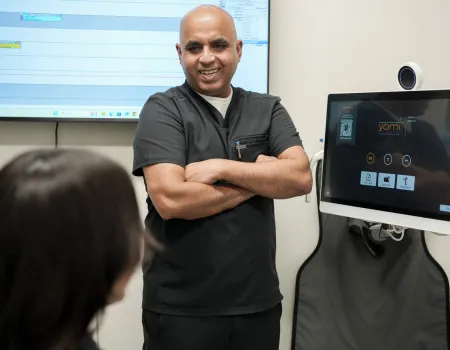
- Exam with Dr. Kumar. He checks each tooth, your bite, your jaw and the soft tissue of your mouth, including an oral cancer screening.
- Your plan. If we find something, we’ll show you on screen and explain your options. Then we book your next cleaning before you leave.
How Often Should You Come In?
Every six months works for most people. If you have gum disease, a history of frequent cavities, diabetes, or you’re pregnant, we may suggest every three or four months. More on how often to get your teeth cleaned (/blog/how-often-teeth-cleaning/).
If your gums show signs of infection below the gumline, a regular cleaning isn’t enough. You may need a deep cleaning (scaling and root planing)
Low-Cost Cleanings
Most dental plans cover two cleanings and exams a year at or near 100%, so many insured patients pay little or nothing. We’ll check your benefits before your visit.
FAQs
Does a cleaning hurt?
Most people feel scraping and some pressure but no pain. If your gums are sensitive, tell the hygienist. We can go slower or use a numbing gel.
Why do my gums bleed during cleanings?
Bleeding usually means the gums are inflamed from plaque. It often improves within a couple of weeks of better brushing and flossing. If it doesn’t, it can be a sign of gum disease.
Can I get my teeth whitened at the cleaning?
Polishing removes some surface stains, but it won’t change the color of your enamel. For that, ask about teeth whitening.
How long does it take?
A routine cleaning and exam usually takes under an hour. A first visit with a full set of x-rays may take a little longer.
Due for a Cleaning?
Book your next visit. Saturday appointments available.
Client Case
Treatment Plan
- Alleviate symptoms of depression and burnout.
- Enhance coping skills for managing work-related stressors and life transitions.
- Cognitive-behavioral therapy (CBT) to challenge negative thought patterns and develop adaptive coping strategies.
- Career counseling to explore work-life balance and identify sources of fulfillment outside of work.
Results
- John successfully transitioned from feeling overwhelmed and hopeless to experiencing a renewed sense of purpose and fulfillment in both his personal and professional life.
- He developed effective coping strategies to manage stressors and maintain his mental health, leading to improved productivity and job satisfaction.
- John's case highlights the transformative power of therapy in promoting resilience and well-being, ultimately enhancing his overall quality of life.

Contact Information
Office Hours
Tuesday & Thursday: 9 AM – 6 PM
Saturday: 9 AM – 3 PM
Other Days: By Appointment
2020 Jensen Avenue,
Sanger, CA 93657