

Children & Orthodontics: Watching the Bite as They Grow

Why Look Early?
Misaligned teeth and bite problems (malocclusions) can show up as early as age 2 or 3. Many are inherited. Others are made worse by habits like long-term thumb-sucking or pacifier use, mouth breathing, or losing baby teeth too early. Finding them early doesn’t always mean treating them early, but it does mean you won’t be surprised later.
Signs to Mention at Your Child's Next Visit
- Baby teeth lost very early or very late
- Crowded, overlapping or widely spaced teeth
- Front teeth that stick out or don’t meet
- Biting the cheek or roof of the mouth
- Jaw that shifts to one side when biting
- Thumb- or finger-sucking after age 5
- Breathing through the mouth most of the time.
Keeping Kids Comfortable
Kids who visit us regularly from a young age tend to be relaxed by the time orthodontic decisions come up. They know the office, they know the team, and checking the bite is just part of their usual visit.
FAQs
Does early treatment mean my child won't need braces later?
Not always. Early treatment can make later treatment shorter or simpler, and in some cases avoid it. We’ll be honest about what to expect.
What age is best for a first orthodontic check?
Many experts suggest around age 7. We check the bite at every regular visit, so you don’t need a separate appointment unless we see something.
Will you refer us to an orthodontist?
If your child’s case needs a specialist, yes. Otherwise, we can often handle treatment here.
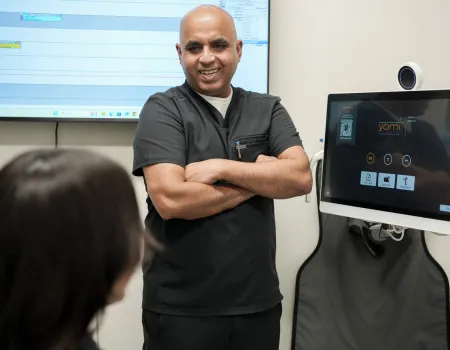
Questions About Your Child's Bite?
Client Case
Treatment Plan
- Alleviate symptoms of depression and burnout.
- Enhance coping skills for managing work-related stressors and life transitions.
- Cognitive-behavioral therapy (CBT) to challenge negative thought patterns and develop adaptive coping strategies.
- Career counseling to explore work-life balance and identify sources of fulfillment outside of work.
Results
- John successfully transitioned from feeling overwhelmed and hopeless to experiencing a renewed sense of purpose and fulfillment in both his personal and professional life.
- He developed effective coping strategies to manage stressors and maintain his mental health, leading to improved productivity and job satisfaction.
- John's case highlights the transformative power of therapy in promoting resilience and well-being, ultimately enhancing his overall quality of life.

Contact Information
Office Hours
Tuesday & Thursday: 9 AM – 6 PM
Saturday: 9 AM – 3 PM
Other Days: By Appointment
2020 Jensen Avenue,
Sanger, CA 93657